
Artists
:BARIL
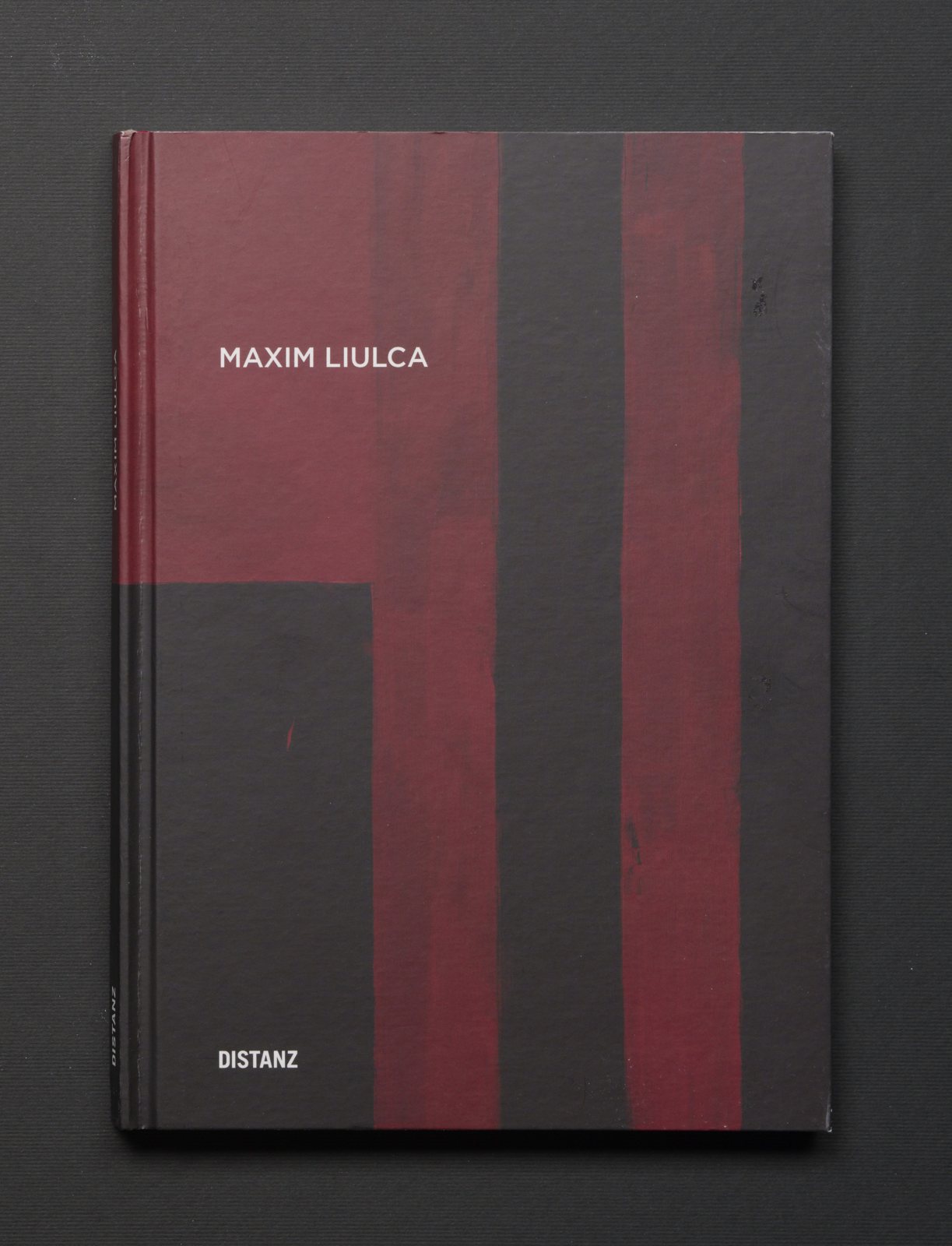
Perhaps
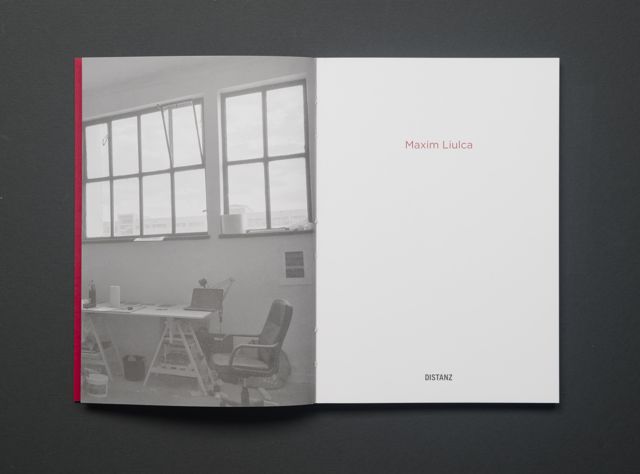
Maxim Liulca
2018
Distanz
88 pages
17 × 23 cm
ISBN 978-3-95476-219-4

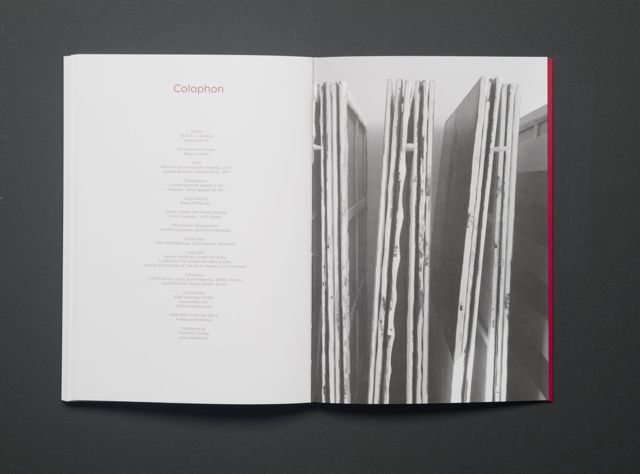
Editor
:BARIL Gallery

Concept and Design
Maxim Liulca

Texts
Maxim Liulca and Sorin Neamțu, 2017
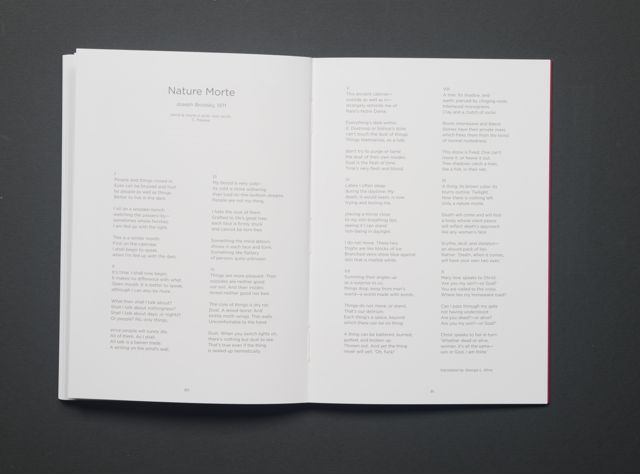
Joseph Brodsky, Nature Morte, 1971

Translations
Lavinia Braniște (pages 5–8)
George L. Kline (pages 80–81)

Copy Editing
Rareș Moldovan

Photo Credits and Image Editing
Pavel Curagău / YAP Studio

Production Management
Cristina Coșorean, IDEA Print&Design

Production
IDEA Print&Design Cluj–Napoca, Romania

Copyright
Nature Morte by Joseph Brodsky
© 2000 by The Joseph Brodsky Estate,
used by permission of The Wylie Agency (UK) Limited.

Catalogue
© 2018 Maxim Liulca, Sorin Neamțu, :BARIL Gallery
and DISTANZ Verlag GmbH, Berlin

Distribution
Edel Germany GmbH
www.edel.com
[email protected]

ISBN 978–3–95476–219–4

Printed in Romania

Published by
DISTANZ Verlag
www.distanz.de

Editor
:BARIL Gallery

Concept și Design
Maxim Liulca

Texte
Maxim Liulca și Sorin Neamțu, 2017
Joseph Brodsky, Nature Morte, 1971

Traduceri
Lavinia Braniște (paginile 5–8)
George L. Kline (paginile 80–81)

Redactare
Rareș Moldovan

Credit foto și editare imagini
Pavel Curagău / YAP Studio

Managementul producției
Cristina Coșorean, IDEA Print&Design

Producție
IDEA Print&Design Cluj–Napoca, Romania

Copyright
Nature Morte by Joseph Brodsky
© 2000 by The Joseph Brodsky Estate,
used by permission of The Wylie Agency (UK) Limited.

Catalog
© 2018 Maxim Liulca, Sorin Neamțu, :BARIL Gallery
and DISTANZ Verlag GmbH, Berlin

Distribuție
Edel Germany GmbH
www.edel.com
[email protected]

ISBN 978–3–95476–219–4

Tipărit în Romania

Editură
DISTANZ Verlag
www.distanz.de

SN: I wonder why one feels the need for text in a catalogue…

ML: Hmm…

SN: It's a question that one inevitably comes across. Aren't images enough?

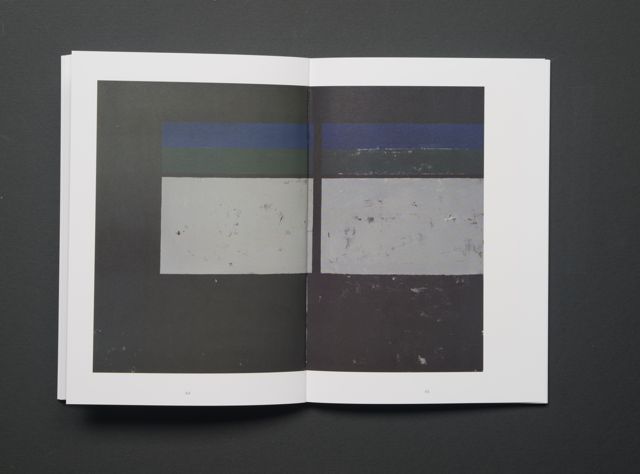
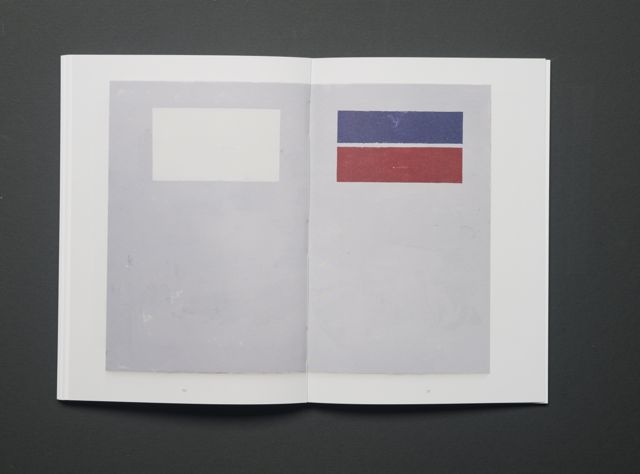
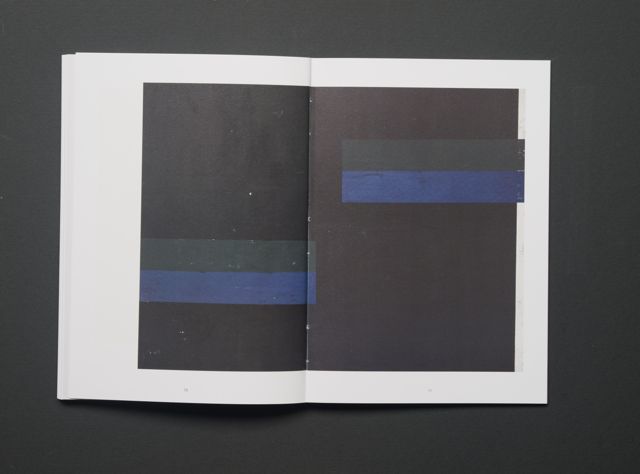
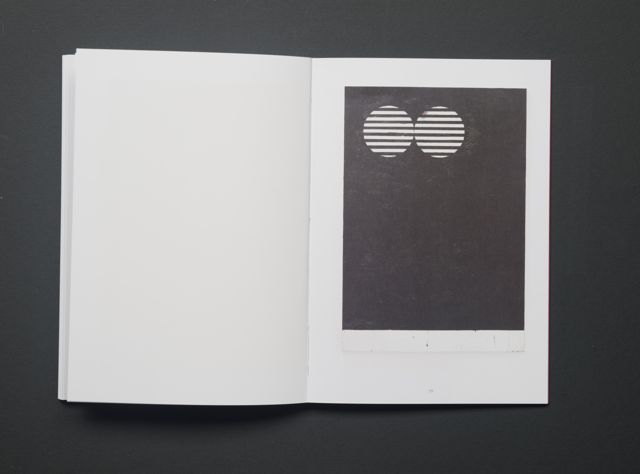
ML: Allright, but it's not a text that explains the images (or painting), but rather a text that is somehow related to the images. Of course, I do not need a word before the image, because I am the word, in fact I am the image and the word, to me it’s clear. But yes, for others words might help... It's not that the image would need text, the image does not need text, the image (painting) by definition lies outside the logic of words. Where the image starts, the word stops. A word is a word, a spot of color is a spot of color, it's not a relation of “needing”. And yet, in the end, language is the most advanced and intelligible way of communication. But again, not a text in the sense of description, or the explanation of the painting, but rather the poetry leading up to the painting, which includes everything up to the painting, to the image. And you know how it is, we can do the same thing – the same thoughts, feelings that we reformulate, that we recondition – but for different reasons, depending on the context, on the life of each of us. It's the same painting (apparently), but what made you do so differs from what made me do the same. And here words can be helpful.

SN: In the sense that you do not necessarily resemble others in this abstract painting.


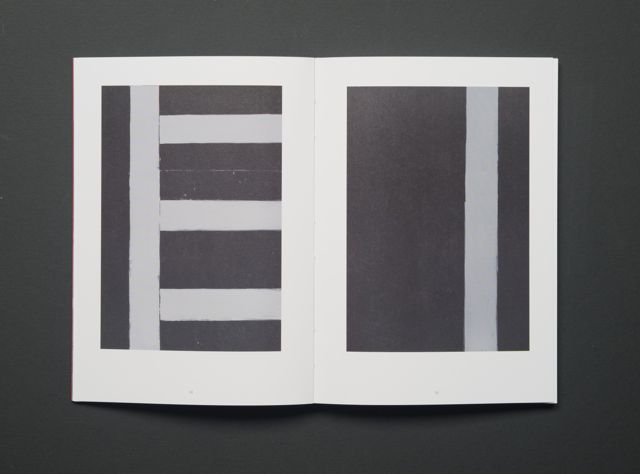
ML: Anyway abstract painting, abstract is not a movement (such as Fauvism or Cubism), it may be a period (I think Donald Judd spoke of this at one point) like the Renaissance, the Baroque, but we cannot catalog it until it is over. And anyway, the term "abstract" is very vague. It's more a state of mind, a way of thinking. I do not know, it's not a study of shape and color. For me, colors and shapes are limited, I am very clear in color and composition, in the architecture of the image.

SN: And when you start painting, you know exactly what the composition will be, you start with a sketch, right?

ML: Yes, if not with a sketch, I have it in my mind anyway, I know the color, the shape... I have a clear idea of ​​how a painting should look like, a painting of mine: color, composition, a more or less pre-defined set, without experiments (like if I cut a canvas using a cutter or I burn it... I don’t care much about those), so somehow this part of the architecture of the image is very clear to me. Yet this clarity is at the level of an idea, somehow abstract, that is, on canvas it can be formulated and reformulated differently. And of course I have my preferences, my influences – how much I may not want to be in nature, the fact that I live in history. What I am doing now is due to what happened yesterday ... "everything that is new is therefore traditional" (I have probably heard it many times, but I think if I had not thought about it before, I would not have heard it, I remember a character from a Godard movie that said T.S. Eliot said it). It happened to me to make a painting, after that a second painting, a third, a fourth, a fifth... After that you make another that's like the first one, without realizing... it's something that has to do with a return, with a déjà vu, the present that you perceive as the past, but still present; it has the mark of the present. Okay, this is a very particular example, but it can also be used generally on a historical level. In the end, the artist is the one who reveals the meaning and essence of things. And yes, the compositional form is a simple one that has nothing to hide, which does not even need to be read in some way, has no beginning or end, it's a whole. But see, I am not interested in studying form and color, I did not care to make a thousand paintings with a thousand possibilities in color and form. Somehow the analytical part of the process is minimal, at this level I don’t feel like exploring.

SN: Okay, if you know the composition, if you know the color, what makes you happy or not with the painting in the end?

ML: I should like it.

SN: Well, then if your work as a painter has a predefined color composition, what is your drive, how do you put in color, materiality? What seems to me very particular to your painting is that it is beyond composition and color choice, color palette etc. It seems to me that things happen often materially in the way you rub the canvas and in the accident. Here I find the key somehow... and how much this whole materiality thing matters.

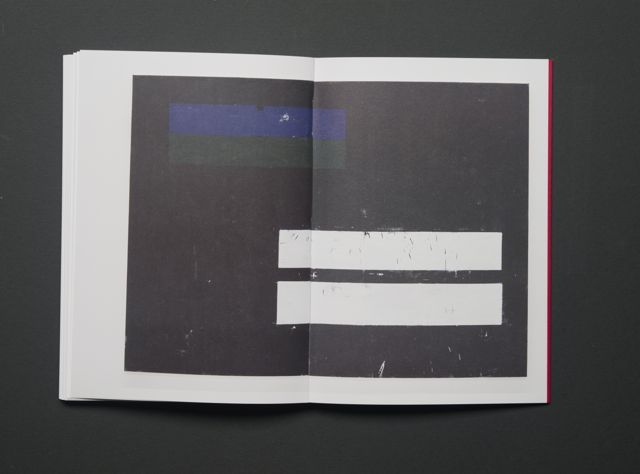
ML: Yes, that's exactly where it all happens – but only in the end, there is also a middle – all that can be seen... But again, this pertains to the physical side of the world, the earth – and therefore in a way it offers visual joy – and in the end it's something that is not up to me, "through me" but not up to me, a movement that leads to another movement, like walking, like writing (I mean writing as a signature, writing, calligraphy) without controlling it in a way, almost instinctively. Art is not the object, art is the experience (many have said and others will say, but I have heard it in J. Albers) and the subject of my painting is the pigment... this earth, being humans that's what we are, flesh and blood. This is all that remains, that remains physically after an experience, after a day in the studio – the object (which is actually this materiality) is the exteriorized part of the act – a form of matter with a force of its own, and which did not previously exist. And if a painting gets scratched or has dust on it, that is time, that's actually "time" ("dust is the body of time"). It's that trace thing. What is art? It's a trace. We're all wearing out our soles a little. And that's not about space, it's about time. I'm more curious about time than about space. And it is not about how much materiality counts in painting either, I mean, it's a little absurd in fact... Actually this materiality is what you see, that is, an aesthetic experience... This is what painting itself is, just like music is sound, poetry is language. As Brodsky said in an interview, I do not remember the exact words, but the meaning is that, in the end, what resists, what is left is art – in his case poetry – that has to do not with society, not with the public, but with language. But here too we come to the idea of ​​the artist's relationship with the public, which in fact does not exist, at least not directly... But that's something else. This part of the exteriorization at the material level is somewhat passive; it is related to the DNA of the painting. But again, to track back a little... when you say how much materiality counts in a painting ... I also think how much the object matters, which, as you said, is part of a metaphor, is an end, a materialization of something, of the thoughts, the physical state of art. And it's not a trace, a poet's poem is also a trace, but they cannot be touched. I refer to physicality as such. And I think there's a need for that... it's just touching via the eyes. So, in the end, that's the essence, a spot (which does not talk about anything, it's not descriptive). Again, aesthetics before ethics. As small children, we perceive everything aesthetically (the lips, the mother's eyes, at two months old a child perceives them like that). The rest comes after.

[...]

SN: Întrebarea este, de ce simți nevoia de text într-un catalog?

ML: Hmm…

SN: ...asta e o întrebare la care inevitabil ajungi, că poate și sunt suficiente

imaginile?

ML: Bine, dar nu e un text care explică imaginile (pictura), ci mai degrabă unul care e într-un fel în relație cu ele. Bineînțeles, eu nu am nevoie de cuvânt înainte de imagine, pentru că eu sunt cuvântul; de fapt, eu sunt și imaginea, și cuvântul, mie-mi este clar… dar da, pentru alții cuvântul ar ajuta… Nu e vorba – imaginea are nevoie de text… Imaginea nu are nevoie de text; imaginea (pictura), prin definiție, iese din logica cuvintelor…Unde începe imaginea, acolo se oprește cuvântul. Cuvântul e cuvânt, pata e pată…nu e o relație de “nevoie”.

Și totuși, până la urmă, cuvântul, limba, este cel mai avansat, inteligibil mod de comunicare . Dar iarăși, nu un text în sensul descrierii, explicării picturii … ci mai degrabă e poezia de până la pictură, în care intră tot ce e până la pictură, până la imagine…

Și știi cum e, putem face același lucru — aceleași gânduri , sentimente pe care le reformulăm, le recondiționăm — dar din motive diferite, în funcție de contextul, de viața fiecăruia… aceeași pictură (aparent), dar ce te-a făcut pe tine să faci astfel diferit de ce m-a făcut pe mine să fac la fel … și aici cuvântul poate fi de folos.

SN: asta in ideea in care tu nu esti neaparat asemanarea cu altii in pictura asta abstracta....

ML: Oricum , pictura abstractă , abstractul nu e un curent (cum ar fi fauvismul sau cubismul), poate fi o perioadă (cred că Donald Judd vorbea de asta), ca Renașterea, Barocul, dar până nu s-a terminat, nu o putem încă cataloga. Si oricum termenul “abstract” e foarte vag. E mai mult o stare a minții , felul de a gândi ...

Nu știu… nu e nicidecum un studiu de culoare și formă… pentru mine, culorile și formele sunt limitate; e foarte clar la culoare și compoziție, la arhitectura imaginii.

SN: Și tu, când începi o pictură, știi exact care va fi compoziția; pleci de la schiță, nu?

ML: Da, dacă nu de la schiță, oricum o am în cap, culoarea, forma...am destul de clar ideea cum trebuie sa arate o pictura, o pictura de a mea...culoare, compozitie, un set mai mult sau mai putin predefinit,fara experimente, (cum ar fi daca dau cu cutter-ul sau dau foc panzei...nu ma intereseaza), deci is cumva ft clar, la partea asta de arhitectura a imaginii....dar totusi claritatea asta e la nivel de idee, cumva e abstracta, adica pe panza poate fi formulata si reformulate diferit, si bineinteles am preferintele mele, influiente, cat de mult poate n-as vrea sa fiu in natura, traiesc si in istorie..ceea ce fac eu acum se datoreaza faptului ce s-a facut ieri…”tot ce este nou este tradiotional prin urmare”(probabil am tot auzit-o de mai multe ori, dar cred ca…daca nu m-as fi gandit inainte la asta poate ca n-as fi auzit-o, tin minte un personal dintr-un film de Godard a zis cum ca T.S Eliot a zis-o) mi s-a intamplat sa fac o pictura , dupa care alta, a treia ,a partra, a cincea, ...dupa care faci alta care e ca si prima..fara sa-ti dai seama....e ceva ce tine de intoarcere, de déjà vu, prezentul care il percepi ca trecut. …dar totuși e prezent, are amprenta prezentului….bine, asta e un exemplu foarte aparte, particular, dar care poate fi folosit și în general, istoric…

Până la urmă, artistul este cel care scoate la iveală, pune în evidență sensul și esența lucrurilor. Și… da, compozițional, forma e una simplă, care nu are nimic de ascuns, care nici nu necesită citire într-un anume fel; nu are un început și un sfârșit; e un întreg. Dar, vezi …că nu-s interesat de studiul formei și culorii, nu m-a interesat să fac o mie de picturi cu o mie de posibilități în culoare și formă… cumva partea asta analitică a procesului e dată la minim, la nivelul ăsta nu-mi vine să explorez.

SN: bun, dar atunci munca ta de pictor, avand predefinita compozitia culoare, care este drive-ul tau, cum pui culoare, materialitate...ce mi se pare mie foarte particular, la picturile tale..e odata dincolo de compozitie si de alegerea culorilor , deci de paleta cromatica, etc...mi se pare ca lucrurile se intampla de multe ori in materialitate in felul in care freci panza si in accident....aici mi se pare cheia cumva…si cat de mult conteaza chestia asta cu materialitatea

ML: da, exact acolo se intampla intr-un final totul- dar doar intr-un final, mai exista si mijloc- totul care se poate vedea…dar iarasi, asta tine de partea fizica a lumii, de pamant- din cauza asta intr-un fel bucura ochiul- si e pana la urma ceva ce nu tine de mine,” prin mine” dar nu tine de mine, o miscare care duce la alta miscare, ca mersul , ca scrisul (ma refer la scris ca semnatura, felul de a scrie, caligrafie) fara sa-l controlezi intr-un fel, aproape instinctiv... arta nu este obiectul...arta e experienta(multi au zis-o si vor mai zice si altii, dar eu la J. Albers am auzit-o), si obiectul in cazul meu, pictura ,e pigmentul,... pamantul asta, fiind oameni cam asta sintem si noi, carne si sange....asta-i tot ce ramane , ce ramane fizic dupa o experienta , dupa o zi in atelier -obiectiul (care de fapt este aceasta materialitate) este partea exteriorizata a actului – o forma a materiei cu o forta proprie, si ce n-a existat pana atunci.

Și dacă se zgârie o pictură sau se pune praf pe ea, e timpul… ăla e “timpul”, de fapt („praful este trupul timpului”). E chestia aia de urmă, ce e artă, e o urmă....ne tocim și noi puțin talpile. Si asta nu tine de spatiu, tine de timp…is mult mai curios de timp decat de spatiu.

Și nici nu e vorba despre cât de mult contează materialitatea pentru pictură, adică e puțin absurd de fapt…de fapt, materialitatea asta este ceea ce se vede, adică e experiența estetică…adică asta și este pictura în sine, la fel cum , din nou, muzica e sunet, poezia e cuvânt. Cum zicea Brodsky într-un interviu, nu țin minte cuvintele exact , dar sensul este că, până la urmă, ceea ce rezistă… rămâne arta — în cazul lui, poezia — care are de-a face nu cu societatea, cu publicul, ci cu limba….dar aici ajungem și la ideea relației artistului cu publicul, care, de fapt, nu există, cel puțin nu directă…dar asta e altceva. Partea asta a exteriorizării la nivelul materiei e cumva pasivă, ține de ADN-ul picturii.

Dar iarasi , daca ma intorc putin, cand zici cat de mult conteaza materialitatea la o pictura…eu ma gandesc si cat de mult conteaza obiectul, care cum ziceai si tu, face parte dintr-o metafora,…este un final, o materizare a ceva, a gandurilor, starea fizica a artei……si nu e vorba de o urma, urma is si versurile unui poet, dar ele nu pot fi pipaite…ma refer la fizicalitatea ca atare. Și cred că există o nevoie pentru asta … e pipăitul cu ochii.

Deci, până la urmă, asta e … de fapt, asta este esența: o pată (care nu vorbește despre ceva, nu este descriptivă)… iarăși… estetica înaintea eticii....de mici copii , percepem totul estetic (buzele, ochii mamei… la două luni, un copil așa le percepe)…restul vine după.

[...]

Maxim Liulca (b. 1987, Tighina, Moldova) lives and works in Cluj-Napoca. He graduated from the University of Art and Design in Cluj-Napoca with a BA in 2008 and an MA in 2010.

Liulca represents a turning point for Cluj's art scene, long dominated by a figurative and photorealistic direction. In this context, Liulca is a key figure in abstraction for new generations and trends in contemporary painting, recognized in both Cluj and Bucharest since his emergence. He is a painter of symbols and color fields, drawing on synthetic and analytical formulas from traditional and folkloric motifs found in Eastern Europe. With high sensitivity and a developed critical and analytical spirit, he engages in a profound dialogue of symbolic interpretation, using geometric and synthetic formulas to retrieve the history of 20th-century abstract art in a personal and unique way.

Liulca has exhibited in important galleries and institutions since the beginning of his career, including Gallery Mie Lefever, Gent, Belgium; Strabag Kunstforum, Vienna, Austria; :BARIL, Cluj, Romania; Spazio A, Pistoia, Italy; Anexa/MNAC, Bucharest, Romania; and Nicodim Gallery, Los Angeles, USA.

Maxim Liulca (n. 1987, Tighina, Republica Moldova) trăiește și lucrează la Cluj-Napoca. A absolvit Universitatea de Artă și Design din Cluj-Napoca, obținând o licență în 2008 și un master în 2010.

Liulca reprezintă un punct de cotitură pentru scena artistică din Cluj, dominată de o direcție figurativă și fotorealistă. În acest context, Liulca este o figură-cheie a abstracției pentru noile generații și direcții din pictura contemporană. E recunoscut atât la Cluj, cât și la București încă de la primele expoziții. Este un pictor al simbolurilor și al câmpurilor de culoare, care pornește de la formule sintetice și analitice extrase din motivele tradiționale și folclorice ale Europei de Est. Cu o mare sensibilitate și un spirit critic și analitic dezvoltat, poartă un dialog profund de interpretare simbolică. Folosește formule geometrice și sintetice pentru a recupera, într-un mod personal și unic, istoria artei abstracte din secolul XX.

Încă de la începutul carierei, Liulca a expus în galerii și instituții importante, printre care: Galeria Mie Lefever, Gent, Belgia; Strabag Kunstforum, Viena, Austria; :BARIL, Cluj, România; Spazio A, Pistoia, Italia; Anexa/MNAC, București, România; Nicodim Gallery, Los Angeles, SUA.

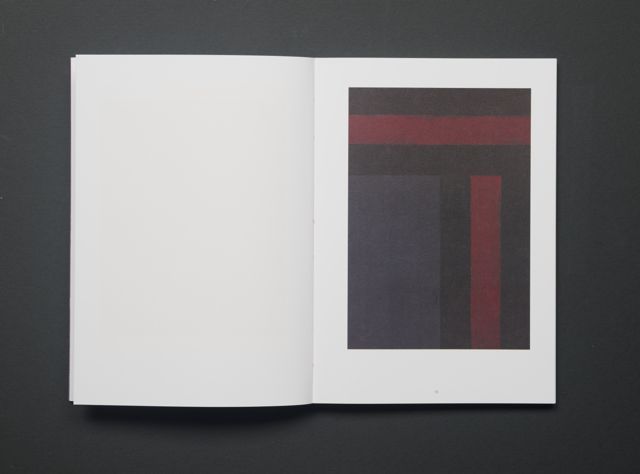
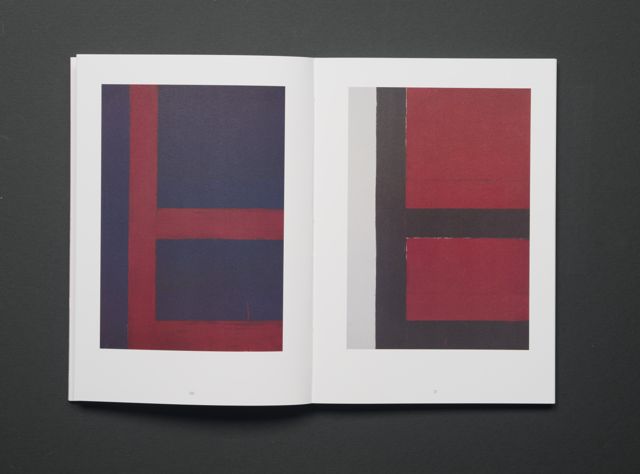
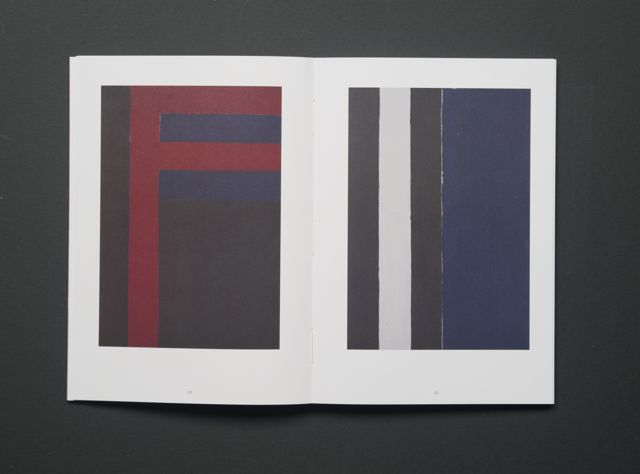
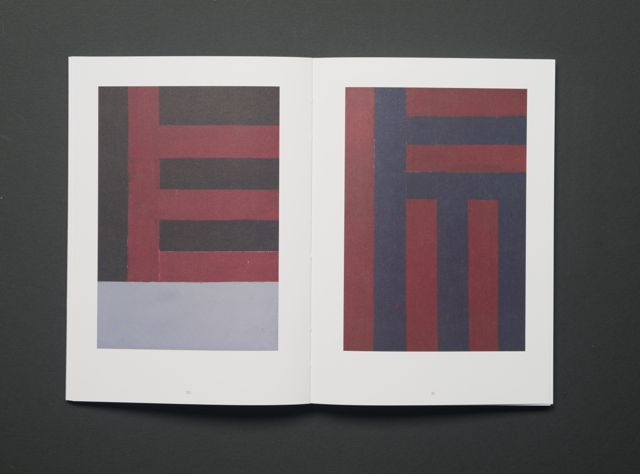
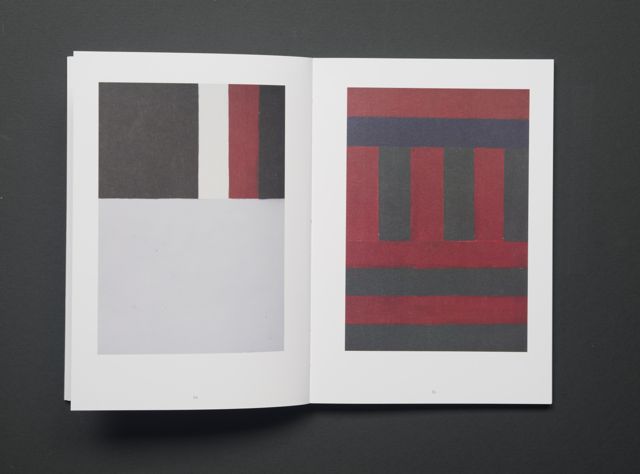
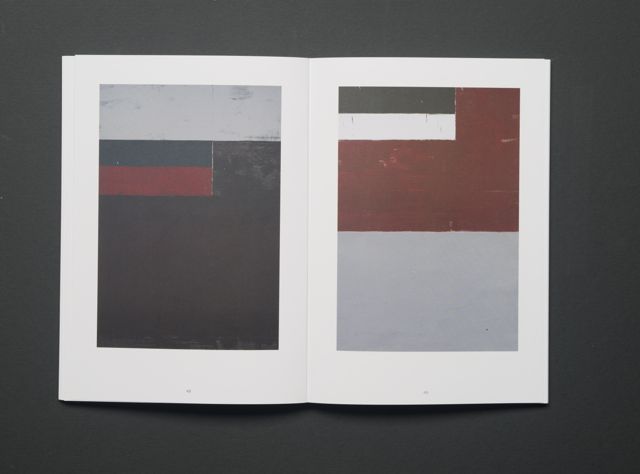
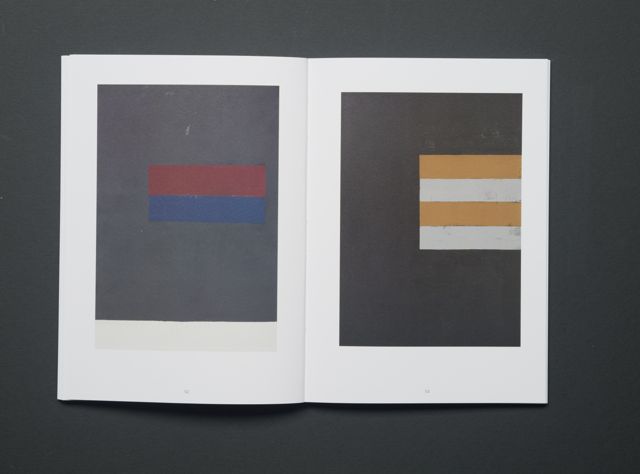
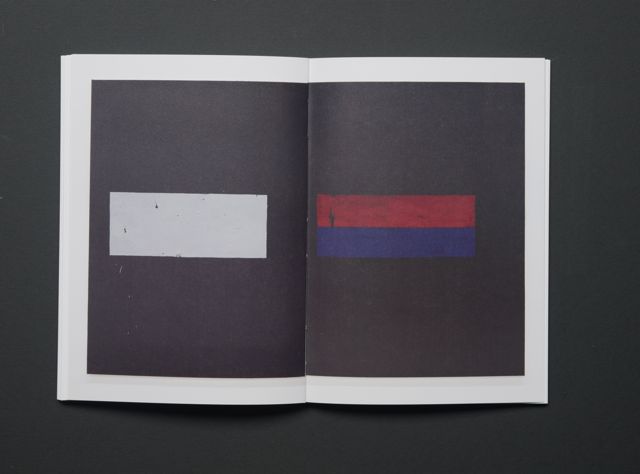
Perhaps

Maxim Liulca
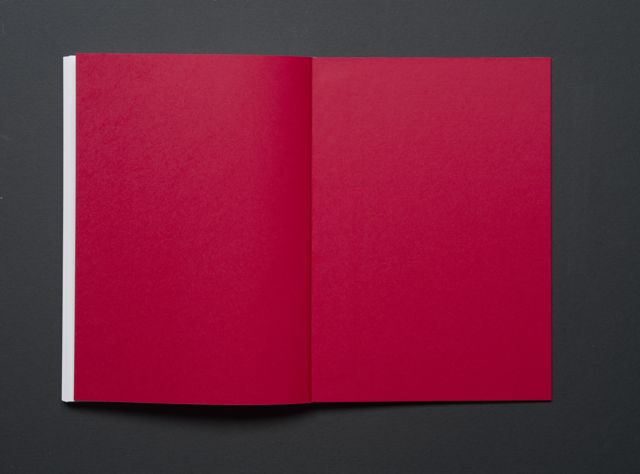
2018 · Distanz · 88 pages · 17 × 23 cm · ISBN 978-3-95476-219-4
2018 | Sieranevada2018 | Well, Well, believe it or not / She covered every last inch
Spreads
Text

Editor
:BARIL Gallery

Concept and Design
Maxim Liulca

Texts
Maxim Liulca and Sorin Neamțu, 2017
Joseph Brodsky, Nature Morte, 1971

Translations
Lavinia Braniște (pages 5–8)
George L. Kline (pages 80–81)

Copy Editing
Rareș Moldovan

Photo Credits and Image Editing
Pavel Curagău / YAP Studio

Production Management
Cristina Coșorean, IDEA Print&Design

Production
IDEA Print&Design Cluj–Napoca, Romania

Copyright
Nature Morte by Joseph Brodsky
© 2000 by The Joseph Brodsky Estate,
used by permission of The Wylie Agency (UK) Limited.

Catalogue
© 2018 Maxim Liulca, Sorin Neamțu, :BARIL Gallery
and DISTANZ Verlag GmbH, Berlin

Distribution
Edel Germany GmbH
www.edel.com
[email protected]

ISBN 978–3–95476–219–4

Printed in Romania

Published by
DISTANZ Verlag
www.distanz.de

Editor
:BARIL Gallery

Concept și Design
Maxim Liulca

Texte
Maxim Liulca și Sorin Neamțu, 2017
Joseph Brodsky, Nature Morte, 1971

Traduceri
Lavinia Braniște (paginile 5–8)
George L. Kline (paginile 80–81)

Redactare
Rareș Moldovan

Credit foto și editare imagini
Pavel Curagău / YAP Studio

Managementul producției
Cristina Coșorean, IDEA Print&Design

Producție
IDEA Print&Design Cluj–Napoca, Romania

Copyright
Nature Morte by Joseph Brodsky
© 2000 by The Joseph Brodsky Estate,
used by permission of The Wylie Agency (UK) Limited.

Catalog
© 2018 Maxim Liulca, Sorin Neamțu, :BARIL Gallery
and DISTANZ Verlag GmbH, Berlin

Distribuție
Edel Germany GmbH
www.edel.com
[email protected]

ISBN 978–3–95476–219–4

Tipărit în Romania

Editură
DISTANZ Verlag
www.distanz.de

SN: I wonder why one feels the need for text in a catalogue…

ML: Hmm…

SN: It's a question that one inevitably comes across. Aren't images enough?

ML: Allright, but it's not a text that explains the images (or painting), but rather a text that is somehow related to the images. Of course, I do not need a word before the image, because I am the word, in fact I am the image and the word, to me it’s clear. But yes, for others words might help... It's not that the image would need text, the image does not need text, the image (painting) by definition lies outside the logic of words. Where the image starts, the word stops. A word is a word, a spot of color is a spot of color, it's not a relation of “needing”. And yet, in the end, language is the most advanced and intelligible way of communication. But again, not a text in the sense of description, or the explanation of the painting, but rather the poetry leading up to the painting, which includes everything up to the painting, to the image. And you know how it is, we can do the same thing – the same thoughts, feelings that we reformulate, that we recondition – but for different reasons, depending on the context, on the life of each of us. It's the same painting (apparently), but what made you do so differs from what made me do the same. And here words can be helpful.

SN: In the sense that you do not necessarily resemble others in this abstract painting.


ML: Anyway abstract painting, abstract is not a movement (such as Fauvism or Cubism), it may be a period (I think Donald Judd spoke of this at one point) like the Renaissance, the Baroque, but we cannot catalog it until it is over. And anyway, the term "abstract" is very vague. It's more a state of mind, a way of thinking. I do not know, it's not a study of shape and color. For me, colors and shapes are limited, I am very clear in color and composition, in the architecture of the image.

SN: And when you start painting, you know exactly what the composition will be, you start with a sketch, right?

ML: Yes, if not with a sketch, I have it in my mind anyway, I know the color, the shape... I have a clear idea of ​​how a painting should look like, a painting of mine: color, composition, a more or less pre-defined set, without experiments (like if I cut a canvas using a cutter or I burn it... I don’t care much about those), so somehow this part of the architecture of the image is very clear to me. Yet this clarity is at the level of an idea, somehow abstract, that is, on canvas it can be formulated and reformulated differently. And of course I have my preferences, my influences – how much I may not want to be in nature, the fact that I live in history. What I am doing now is due to what happened yesterday ... "everything that is new is therefore traditional" (I have probably heard it many times, but I think if I had not thought about it before, I would not have heard it, I remember a character from a Godard movie that said T.S. Eliot said it). It happened to me to make a painting, after that a second painting, a third, a fourth, a fifth... After that you make another that's like the first one, without realizing... it's something that has to do with a return, with a déjà vu, the present that you perceive as the past, but still present; it has the mark of the present. Okay, this is a very particular example, but it can also be used generally on a historical level. In the end, the artist is the one who reveals the meaning and essence of things. And yes, the compositional form is a simple one that has nothing to hide, which does not even need to be read in some way, has no beginning or end, it's a whole. But see, I am not interested in studying form and color, I did not care to make a thousand paintings with a thousand possibilities in color and form. Somehow the analytical part of the process is minimal, at this level I don’t feel like exploring.

SN: Okay, if you know the composition, if you know the color, what makes you happy or not with the painting in the end?

ML: I should like it.

SN: Well, then if your work as a painter has a predefined color composition, what is your drive, how do you put in color, materiality? What seems to me very particular to your painting is that it is beyond composition and color choice, color palette etc. It seems to me that things happen often materially in the way you rub the canvas and in the accident. Here I find the key somehow... and how much this whole materiality thing matters.

ML: Yes, that's exactly where it all happens – but only in the end, there is also a middle – all that can be seen... But again, this pertains to the physical side of the world, the earth – and therefore in a way it offers visual joy – and in the end it's something that is not up to me, "through me" but not up to me, a movement that leads to another movement, like walking, like writing (I mean writing as a signature, writing, calligraphy) without controlling it in a way, almost instinctively. Art is not the object, art is the experience (many have said and others will say, but I have heard it in J. Albers) and the subject of my painting is the pigment... this earth, being humans that's what we are, flesh and blood. This is all that remains, that remains physically after an experience, after a day in the studio – the object (which is actually this materiality) is the exteriorized part of the act – a form of matter with a force of its own, and which did not previously exist. And if a painting gets scratched or has dust on it, that is time, that's actually "time" ("dust is the body of time"). It's that trace thing. What is art? It's a trace. We're all wearing out our soles a little. And that's not about space, it's about time. I'm more curious about time than about space. And it is not about how much materiality counts in painting either, I mean, it's a little absurd in fact... Actually this materiality is what you see, that is, an aesthetic experience... This is what painting itself is, just like music is sound, poetry is language. As Brodsky said in an interview, I do not remember the exact words, but the meaning is that, in the end, what resists, what is left is art – in his case poetry – that has to do not with society, not with the public, but with language. But here too we come to the idea of ​​the artist's relationship with the public, which in fact does not exist, at least not directly... But that's something else. This part of the exteriorization at the material level is somewhat passive; it is related to the DNA of the painting. But again, to track back a little... when you say how much materiality counts in a painting ... I also think how much the object matters, which, as you said, is part of a metaphor, is an end, a materialization of something, of the thoughts, the physical state of art. And it's not a trace, a poet's poem is also a trace, but they cannot be touched. I refer to physicality as such. And I think there's a need for that... it's just touching via the eyes. So, in the end, that's the essence, a spot (which does not talk about anything, it's not descriptive). Again, aesthetics before ethics. As small children, we perceive everything aesthetically (the lips, the mother's eyes, at two months old a child perceives them like that). The rest comes after.

[...]

SN: Întrebarea este, de ce simți nevoia de text într-un catalog?

ML: Hmm…

SN: ...asta e o întrebare la care inevitabil ajungi, că poate și sunt suficiente

imaginile?

ML: Bine, dar nu e un text care explică imaginile (pictura), ci mai degrabă unul care e într-un fel în relație cu ele. Bineînțeles, eu nu am nevoie de cuvânt înainte de imagine, pentru că eu sunt cuvântul; de fapt, eu sunt și imaginea, și cuvântul, mie-mi este clar… dar da, pentru alții cuvântul ar ajuta… Nu e vorba – imaginea are nevoie de text… Imaginea nu are nevoie de text; imaginea (pictura), prin definiție, iese din logica cuvintelor…Unde începe imaginea, acolo se oprește cuvântul. Cuvântul e cuvânt, pata e pată…nu e o relație de “nevoie”.

Și totuși, până la urmă, cuvântul, limba, este cel mai avansat, inteligibil mod de comunicare . Dar iarăși, nu un text în sensul descrierii, explicării picturii … ci mai degrabă e poezia de până la pictură, în care intră tot ce e până la pictură, până la imagine…

Și știi cum e, putem face același lucru — aceleași gânduri , sentimente pe care le reformulăm, le recondiționăm — dar din motive diferite, în funcție de contextul, de viața fiecăruia… aceeași pictură (aparent), dar ce te-a făcut pe tine să faci astfel diferit de ce m-a făcut pe mine să fac la fel … și aici cuvântul poate fi de folos.

SN: asta in ideea in care tu nu esti neaparat asemanarea cu altii in pictura asta abstracta....

ML: Oricum , pictura abstractă , abstractul nu e un curent (cum ar fi fauvismul sau cubismul), poate fi o perioadă (cred că Donald Judd vorbea de asta), ca Renașterea, Barocul, dar până nu s-a terminat, nu o putem încă cataloga. Si oricum termenul “abstract” e foarte vag. E mai mult o stare a minții , felul de a gândi ...

Nu știu… nu e nicidecum un studiu de culoare și formă… pentru mine, culorile și formele sunt limitate; e foarte clar la culoare și compoziție, la arhitectura imaginii.

SN: Și tu, când începi o pictură, știi exact care va fi compoziția; pleci de la schiță, nu?

ML: Da, dacă nu de la schiță, oricum o am în cap, culoarea, forma...am destul de clar ideea cum trebuie sa arate o pictura, o pictura de a mea...culoare, compozitie, un set mai mult sau mai putin predefinit,fara experimente, (cum ar fi daca dau cu cutter-ul sau dau foc panzei...nu ma intereseaza), deci is cumva ft clar, la partea asta de arhitectura a imaginii....dar totusi claritatea asta e la nivel de idee, cumva e abstracta, adica pe panza poate fi formulata si reformulate diferit, si bineinteles am preferintele mele, influiente, cat de mult poate n-as vrea sa fiu in natura, traiesc si in istorie..ceea ce fac eu acum se datoreaza faptului ce s-a facut ieri…”tot ce este nou este tradiotional prin urmare”(probabil am tot auzit-o de mai multe ori, dar cred ca…daca nu m-as fi gandit inainte la asta poate ca n-as fi auzit-o, tin minte un personal dintr-un film de Godard a zis cum ca T.S Eliot a zis-o) mi s-a intamplat sa fac o pictura , dupa care alta, a treia ,a partra, a cincea, ...dupa care faci alta care e ca si prima..fara sa-ti dai seama....e ceva ce tine de intoarcere, de déjà vu, prezentul care il percepi ca trecut. …dar totuși e prezent, are amprenta prezentului….bine, asta e un exemplu foarte aparte, particular, dar care poate fi folosit și în general, istoric…

Până la urmă, artistul este cel care scoate la iveală, pune în evidență sensul și esența lucrurilor. Și… da, compozițional, forma e una simplă, care nu are nimic de ascuns, care nici nu necesită citire într-un anume fel; nu are un început și un sfârșit; e un întreg. Dar, vezi …că nu-s interesat de studiul formei și culorii, nu m-a interesat să fac o mie de picturi cu o mie de posibilități în culoare și formă… cumva partea asta analitică a procesului e dată la minim, la nivelul ăsta nu-mi vine să explorez.

SN: bun, dar atunci munca ta de pictor, avand predefinita compozitia culoare, care este drive-ul tau, cum pui culoare, materialitate...ce mi se pare mie foarte particular, la picturile tale..e odata dincolo de compozitie si de alegerea culorilor , deci de paleta cromatica, etc...mi se pare ca lucrurile se intampla de multe ori in materialitate in felul in care freci panza si in accident....aici mi se pare cheia cumva…si cat de mult conteaza chestia asta cu materialitatea

ML: da, exact acolo se intampla intr-un final totul- dar doar intr-un final, mai exista si mijloc- totul care se poate vedea…dar iarasi, asta tine de partea fizica a lumii, de pamant- din cauza asta intr-un fel bucura ochiul- si e pana la urma ceva ce nu tine de mine,” prin mine” dar nu tine de mine, o miscare care duce la alta miscare, ca mersul , ca scrisul (ma refer la scris ca semnatura, felul de a scrie, caligrafie) fara sa-l controlezi intr-un fel, aproape instinctiv... arta nu este obiectul...arta e experienta(multi au zis-o si vor mai zice si altii, dar eu la J. Albers am auzit-o), si obiectul in cazul meu, pictura ,e pigmentul,... pamantul asta, fiind oameni cam asta sintem si noi, carne si sange....asta-i tot ce ramane , ce ramane fizic dupa o experienta , dupa o zi in atelier -obiectiul (care de fapt este aceasta materialitate) este partea exteriorizata a actului – o forma a materiei cu o forta proprie, si ce n-a existat pana atunci.

Și dacă se zgârie o pictură sau se pune praf pe ea, e timpul… ăla e “timpul”, de fapt („praful este trupul timpului”). E chestia aia de urmă, ce e artă, e o urmă....ne tocim și noi puțin talpile. Si asta nu tine de spatiu, tine de timp…is mult mai curios de timp decat de spatiu.

Și nici nu e vorba despre cât de mult contează materialitatea pentru pictură, adică e puțin absurd de fapt…de fapt, materialitatea asta este ceea ce se vede, adică e experiența estetică…adică asta și este pictura în sine, la fel cum , din nou, muzica e sunet, poezia e cuvânt. Cum zicea Brodsky într-un interviu, nu țin minte cuvintele exact , dar sensul este că, până la urmă, ceea ce rezistă… rămâne arta — în cazul lui, poezia — care are de-a face nu cu societatea, cu publicul, ci cu limba….dar aici ajungem și la ideea relației artistului cu publicul, care, de fapt, nu există, cel puțin nu directă…dar asta e altceva. Partea asta a exteriorizării la nivelul materiei e cumva pasivă, ține de ADN-ul picturii.

Dar iarasi , daca ma intorc putin, cand zici cat de mult conteaza materialitatea la o pictura…eu ma gandesc si cat de mult conteaza obiectul, care cum ziceai si tu, face parte dintr-o metafora,…este un final, o materizare a ceva, a gandurilor, starea fizica a artei……si nu e vorba de o urma, urma is si versurile unui poet, dar ele nu pot fi pipaite…ma refer la fizicalitatea ca atare. Și cred că există o nevoie pentru asta … e pipăitul cu ochii.

Deci, până la urmă, asta e … de fapt, asta este esența: o pată (care nu vorbește despre ceva, nu este descriptivă)… iarăși… estetica înaintea eticii....de mici copii , percepem totul estetic (buzele, ochii mamei… la două luni, un copil așa le percepe)…restul vine după.

[...]

Maxim Liulca (b. 1987, Tighina, Moldova) lives and works in Cluj-Napoca. He graduated from the University of Art and Design in Cluj-Napoca with a BA in 2008 and an MA in 2010.

Liulca represents a turning point for Cluj's art scene, long dominated by a figurative and photorealistic direction. In this context, Liulca is a key figure in abstraction for new generations and trends in contemporary painting, recognized in both Cluj and Bucharest since his emergence. He is a painter of symbols and color fields, drawing on synthetic and analytical formulas from traditional and folkloric motifs found in Eastern Europe. With high sensitivity and a developed critical and analytical spirit, he engages in a profound dialogue of symbolic interpretation, using geometric and synthetic formulas to retrieve the history of 20th-century abstract art in a personal and unique way.

Liulca has exhibited in important galleries and institutions since the beginning of his career, including Gallery Mie Lefever, Gent, Belgium; Strabag Kunstforum, Vienna, Austria; :BARIL, Cluj, Romania; Spazio A, Pistoia, Italy; Anexa/MNAC, Bucharest, Romania; and Nicodim Gallery, Los Angeles, USA.

Maxim Liulca (n. 1987, Tighina, Republica Moldova) trăiește și lucrează la Cluj-Napoca. A absolvit Universitatea de Artă și Design din Cluj-Napoca, obținând o licență în 2008 și un master în 2010.

Liulca reprezintă un punct de cotitură pentru scena artistică din Cluj, dominată de o direcție figurativă și fotorealistă. În acest context, Liulca este o figură-cheie a abstracției pentru noile generații și direcții din pictura contemporană. E recunoscut atât la Cluj, cât și la București încă de la primele expoziții. Este un pictor al simbolurilor și al câmpurilor de culoare, care pornește de la formule sintetice și analitice extrase din motivele tradiționale și folclorice ale Europei de Est. Cu o mare sensibilitate și un spirit critic și analitic dezvoltat, poartă un dialog profund de interpretare simbolică. Folosește formule geometrice și sintetice pentru a recupera, într-un mod personal și unic, istoria artei abstracte din secolul XX.

Încă de la începutul carierei, Liulca a expus în galerii și instituții importante, printre care: Galeria Mie Lefever, Gent, Belgia; Strabag Kunstforum, Viena, Austria; :BARIL, Cluj, România; Spazio A, Pistoia, Italia; Anexa/MNAC, București, România; Nicodim Gallery, Los Angeles, SUA.

Site typography

Two voices: Archivo for the apparatus and the poster, EB Garamond for long-form reading. The three words of the identity (:BARIL · ARCHIVE · 2012–2019) are drawn, not typeset.

The apparatus — Archivo

9px · 400 fine print: the artist on a polaroid, the OCD sheets, the „generated…" line
10,5px · 400 · .15em labels · filter · imported · menu · press release
12px · 400 filters, timeline, artist list, tooltips, captions — tabular figures
14px · 500accordion headers

The poster — also Archivo

clamp(17→24px) · 700exhibition title
clamp(15→19px) · 600artist name
14px · 400 31.10.2018 – 31.1.2019
10,5px · 500curated by

Reading — EB Garamond

15.5px / 1.6texts in column 4: press releases, biographies, the poem — with true italics
19.5px / 1.62 · 58chfull screen
30px · 600the title in the reader

Conventions: uppercase labels always carry .14–.16em tracking in muted ink; figures are tabular so they never dance while scrolling; italics appear only in reading.